Discover the science behind structural thermal heating, how it eliminates bed bugs in all lifecycles (including eggs), and prep steps. Having pests in your home is a major headache, especially under the hot sun and heavy rains of Florida. Without freezing winters to naturally reduce insect colonies, homeowners across the Sunshine State deal with year-round pest pressure. From termites feeding on structural wood framing to roof rats chewing through attic vents and electrical wires, keeping your property secure takes steady care. In this detailed guide, our local Florida entomologists break down everything you need to know about bed bug thermal heat remediation: single-day treatment guide. We will look at why this pest activity increases, how our professional teams build durable barriers, and the step-by-step checklists you can use to secure your home.
How does heat treatment kill bed bugs?
Heat treatment kills bed bugs by using electric heaters to raise room temperatures to 120°F–140°F. This high temperature denatures proteins inside the bugs and their eggs, eliminating the infestation in a single day.
- Remove heat-sensitive items like candles, vinyl records, and aerosols.
- Open drawers and closet doors to let heated air flow freely.
- Use high-velocity fans to distribute heat into wall gaps.
- Keep temperatures inside the target zone for at least 4 hours.
- Encase mattresses in protective covers after the heating cycle.
Biology & Climate Triggers: Why This Pest Thrives in Florida
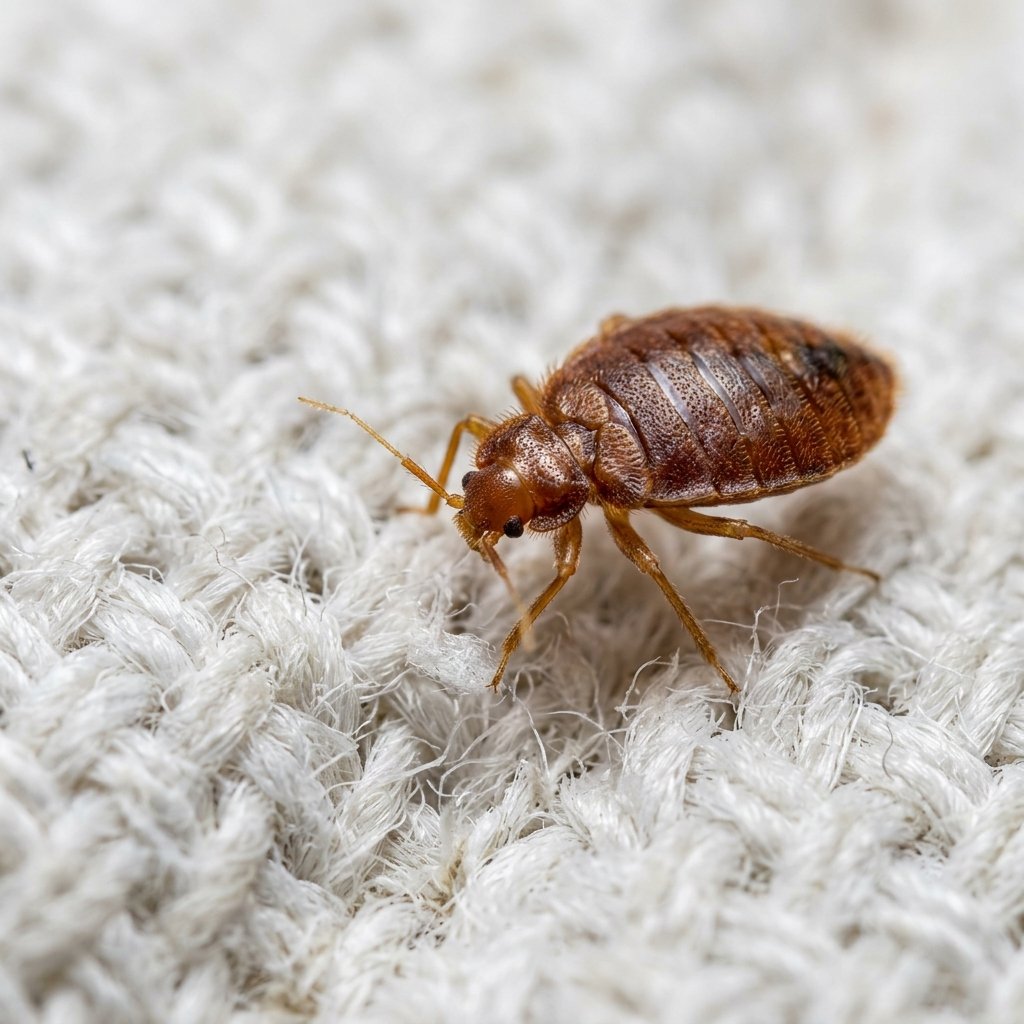
Bed bugs are cryptic nocturnal insects that spread easily through travel, luggage, and secondhand furniture. Addressing bed bug thermal heat remediation: single-day treatment guide requires understanding their hiding behaviors inside mattress seams, headboard joints, and baseboard cavities. Bed bugs can survive for months without feeding, making swift, thorough intervention critical before minor introductions spread throughout the premises.
Actionable Step-by-Step Prevention & Sealing Checklist
Early detection involves inspecting mattress piping, box spring corners, electrical outlets, and nearby picture frames for dark fecal spots, cast skins, and live nymphs. Isolating suspected bedding in high-heat dryer cycles helps prevent cross-room contamination during initial assessment.
Your Structural Defense To-Do List:
- Slab & Base Inspection: Check concrete base slab joints, plumbing lines, and bath traps for active mud tubes or crawl entryways.
- Mulch & Soil Clearance: Keep soil, decaying wood chips, and leaf mulch at least 6 inches below the top of slab walls.
- Attic & Roof Seals: Seal roof ridge vents, vinyl soffits, and eaves with 1/4-inch galvanized steel wire mesh screens.
- Utility Pipe Blockages: Pack copper mesh wool inside weep holes, electrical conduits, and pipe lines, capping them with mortar.
- Foliage Trim Backs: Trim palm fronds, branches, and vines back at least 6 feet from roof gutters to cut off climbing paths.
Treatment Methodologies: Chemical Barriers, Baits, and Exclusions
Advanced bed bug elimination combines structural thermal heat treatments with localized residual applications. Industrial thermal heaters raise room temperatures above the thermal death point (120°F–140°F), penetrating deep into mattress cores and wall cavities to eliminate all lifecycle stages—including eggs—in a single service day.
Professional Treatment vs. DIY Methods
Commercial aerosol "foggers" and bug bombs are largely ineffective against bed bugs, as they fail to penetrate deep into mattress seams and often cause colonies to scatter deeper into wall voids. Professional thermal remediation and targeted non-repellent chemistries ensure complete colony destruction.
Recommended Treatment Schedules & Maintenance Plans
Follow-up visual assessments are recommended 14 days after initial thermal service, with proactive monitoring traps deployed in sleeping areas to guarantee 100% eradication.
Need Professional Pest Treatment?
Don't wait for pests to colonize inside your walls or attics. Florida Green Pest Control Services provides custom treatment solutions with 100% free re-treatments in case they ever return.