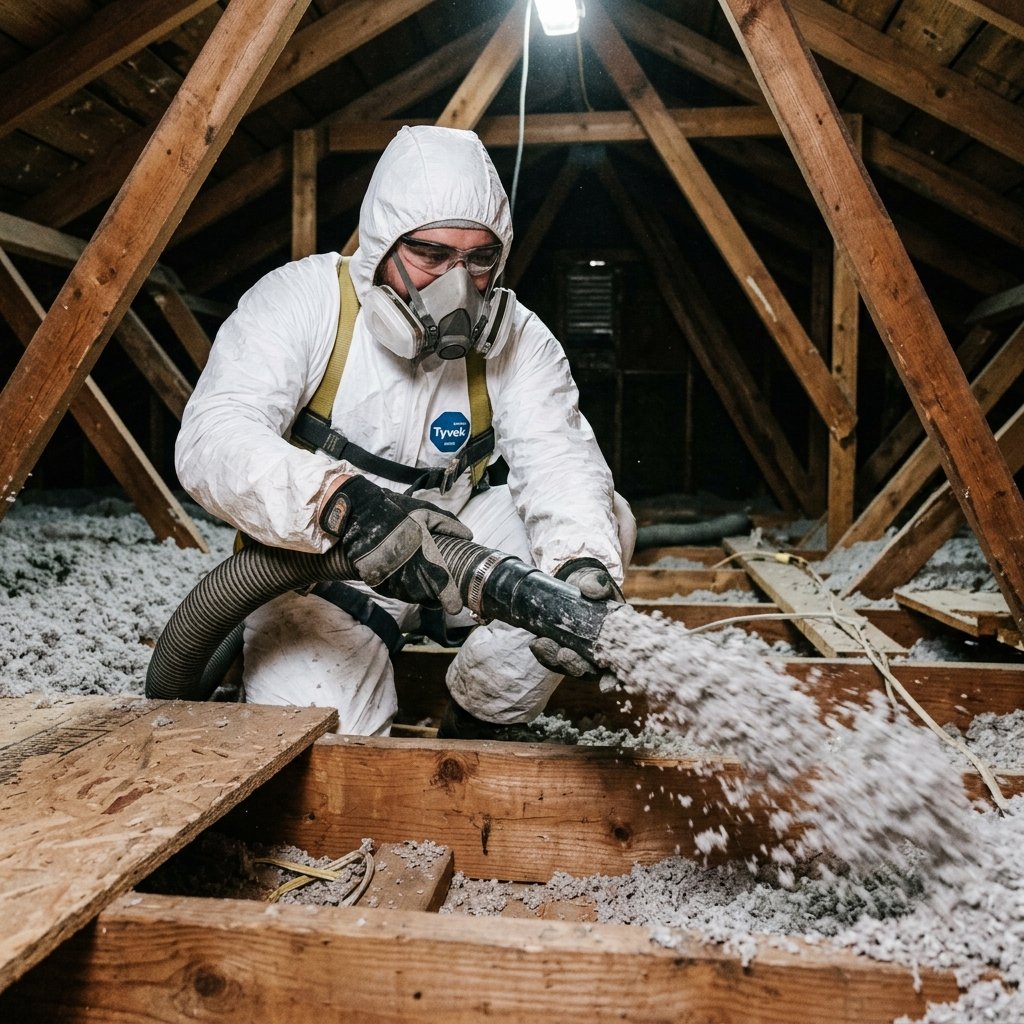
Discover how blow-in TAP insulation is infused with natural boric acid to eliminate nesting cockroaches, silverfish, and ants. Having pests in your home is a major headache, especially under the hot sun and heavy rains of Florida. Without freezing winters to naturally reduce insect colonies, homeowners across the Sunshine State deal with year-round pest pressure. From termites feeding on structural wood framing to roof rats chewing through attic vents and electrical wires, keeping your property secure takes steady care. In this detailed guide, our local Florida entomologists break down everything you need to know about boric acid cellulose attic insulation: tap protective shields. We will look at why this pest activity increases, how our professional teams build durable barriers, and the step-by-step checklists you can use to secure your home.
How does TAP insulation prevent attic pest nesting?
TAP (Thermal, Acoustical, Pest Control Services) insulation is infused with natural boric acid. Biting and nesting insects like roaches, ants, and silverfish absorb this mineral when grooming, eliminating their colonies.
- Blow in TAP insulation directly over existing attic insulation sheets.
- Verify the boric acid content to ensure a permanent pest shield.
- Focus on low-impact treatments that are safe for building occupants.
- Seal roof vent mesh frames before applying cellulose fibers.
- Ensure a class A fire resistance rating for structural safety.
Biology & Climate Triggers: Why This Pest Thrives in Florida
Attics and crawlspaces play a critical role in whole-home pest resistance and energy performance. Regarding boric acid cellulose attic insulation: tap protective shields, traditional degraded insulation often provides harborage for nesting pests, dust mites, and moisture-loving insects. Improving boric acid cellulose attic insulation: tap protective shields creates a cleaner, more secure thermal and environmental envelope for the entire building.
Actionable Step-by-Step Prevention & Sealing Checklist
Remediating attic and crawlspace environments requires removing contaminated insulation, thoroughly sanitizing structural wood framing with antimicrobial treatments, and sealing structural gaps around plumbing chases, chimneys, and recessed lighting fixtures.
Your Structural Defense To-Do List:
- Slab & Base Inspection: Check concrete base slab joints, plumbing lines, and bath traps for active mud tubes or crawl entryways.
- Mulch & Soil Clearance: Keep soil, decaying wood chips, and leaf mulch at least 6 inches below the top of slab walls.
- Attic & Roof Seals: Seal roof ridge vents, vinyl soffits, and eaves with 1/4-inch galvanized steel wire mesh screens.
- Utility Pipe Blockages: Pack copper mesh wool inside weep holes, electrical conduits, and pipe lines, capping them with mortar.
- Foliage Trim Backs: Trim palm fronds, branches, and vines back at least 6 feet from roof gutters to cut off climbing paths.
Treatment Methodologies: Chemical Barriers, Baits, and Exclusions
TAP (Thermal, Acoustic, Pest Control) insulation combines eco-friendly recycled cellulose fibers with pure borate compounds. While safe for residents and pets, the borate particles eliminate crawling insects like roaches, ants, and silverfish that groom themselves after contact with the material, delivering permanent attic defense alongside superior R-value efficiency.
Professional Treatment vs. DIY Methods
Standard fiberglass batt insulation does not repel pests and degrades when contaminated with rodent droppings or moisture. Professional TAP cellulose installation fills every void, eliminating nesting harborage and creating a continuous insect-repelling thermal blanket.
Recommended Treatment Schedules & Maintenance Plans
Attic insulation and exclusion barriers should be inspected every two to three years or following major roofing repairs to ensure thermal integrity and pest resistance remain optimal.
Need Professional Pest Treatment?
Don't wait for pests to colonize inside your walls or attics. Florida Green Pest Control Services provides custom treatment solutions with 100% free re-treatments in case they ever return.