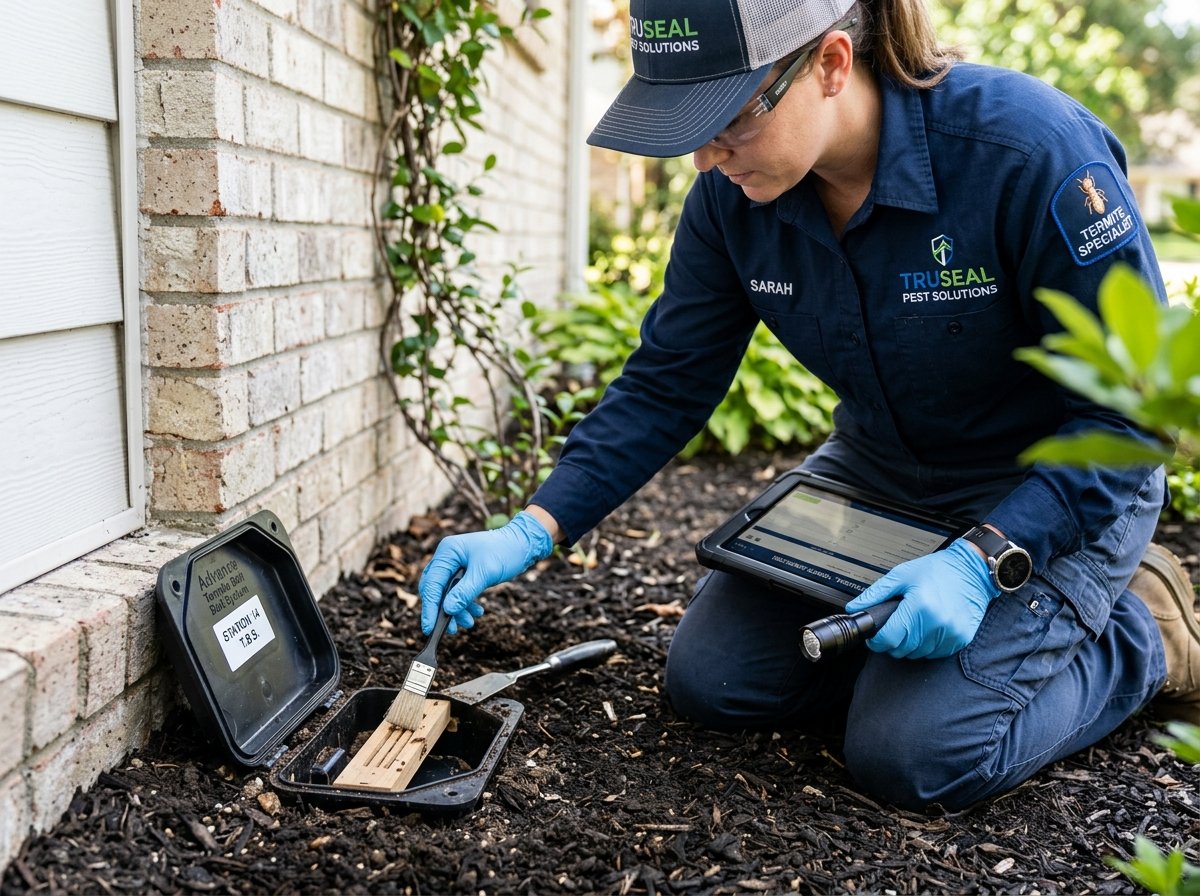
A homeowner guide to identifying Formosan termite swarms, checking light sources, and blocking entry points before they build nests inside walls. Having pests in your home is a major headache, especially under the hot sun and heavy rains of Florida. Without freezing winters to naturally reduce insect colonies, homeowners across the Sunshine State deal with year-round pest pressure. From termites feeding on structural wood framing to roof rats chewing through attic vents and electrical wires, keeping your property secure takes steady care. In this detailed guide, our local Florida entomologists break down everything you need to know about how to spot formosan termite swarms during florida spring. We will look at why this pest activity increases, how our professional teams build durable barriers, and the step-by-step checklists you can use to secure your home.
What are the early signs of Formosan termite swarms in Florida?
Formosan termite swarms are characterized by thousands of winged alates flying near porch lights and windows during warm, humid spring evenings. Finding discarded wings on windowsills, pinholes in drywall, and active mud tubes are critical signs.
- Turn off outdoor porch lights during peak evening swarm seasons.
- Check window tracks and sills for translucent, equal-length wings.
- Tap drywall and baseboards to check for hollow-sounding structural wood.
- Seal attic soffit vents with fine metal screening to block winged alates.
- Call an entomologist immediately if you suspect a Formosan colony.
Biology & Climate Triggers: Why This Pest Thrives in Florida
Florida properties face intense pressure from subterranean and drywood termite species. In the context of how to spot formosan termite swarms during florida spring, local humidity and soil composition play decisive roles. Subterranean termites require continuous ground contact and moisture, building shelter tubes over concrete foundations to access structural wood framing. By understanding the biology behind how to spot formosan termite swarms during florida spring, homeowners can identify vulnerable entry points such as slab expansion joints, plumbing penetrations, and perimeter mulch beds before severe timber destruction occurs.
Actionable Step-by-Step Prevention & Sealing Checklist
Implementing effective prevention for how to spot formosan termite swarms during florida spring starts with eliminating direct wood-to-soil contact and reducing ground moisture near structural slabs. Foundation weep holes, plumbing collars, and porch joints should be inspected regularly. Maintaining a dedicated perimeter buffer and ensuring proper foundation drainage prevents the moisture accumulation that termite colonies seek when expanding their foraging range.
Your Structural Defense To-Do List:
- Slab & Base Inspection: Check concrete base slab joints, plumbing lines, and bath traps for active mud tubes or crawl entryways.
- Mulch & Soil Clearance: Keep soil, decaying wood chips, and leaf mulch at least 6 inches below the top of slab walls.
- Attic & Roof Seals: Seal roof ridge vents, vinyl soffits, and eaves with 1/4-inch galvanized steel wire mesh screens.
- Utility Pipe Blockages: Pack copper mesh wool inside weep holes, electrical conduits, and pipe lines, capping them with mortar.
- Foliage Trim Backs: Trim palm fronds, branches, and vines back at least 6 feet from roof gutters to cut off climbing paths.
Treatment Methodologies: Chemical Barriers, Baits, and Exclusions
Professional termite management utilizes non-repellent liquid termiticides, targeted sub-slab injections, and active bait monitoring systems. These approaches allow foraging worker termites to transfer undetectable active ingredients throughout the colony network, eliminating the reproductive queen without requiring widespread indoor drilling or disruptive interior disruption.
Professional Treatment vs. DIY Methods
DIY termite treatments and retail aerosol sprays only contact visible worker insects, leaving the underground queen and nesting structure intact. Unregulated chemical applications can also contaminate landscaping and domestic water lines. Certified Florida pest technicians utilize calibrated injection equipment and commercial-grade barrier formulations registered for long-term structural security.
Recommended Treatment Schedules & Maintenance Plans
Regular inspections should be scheduled annually, particularly preceding the warm spring swarming windows across Florida. Routine visual checks of slab perimeters, bath traps, and crawlspace piers maintain continuous structural warranty protection and catch emerging mud tube development early.
Need Professional Pest Treatment?
Don't wait for pests to colonize inside your walls or attics. Florida Green Pest Control Services provides custom treatment solutions with 100% free re-treatments in case they ever return.