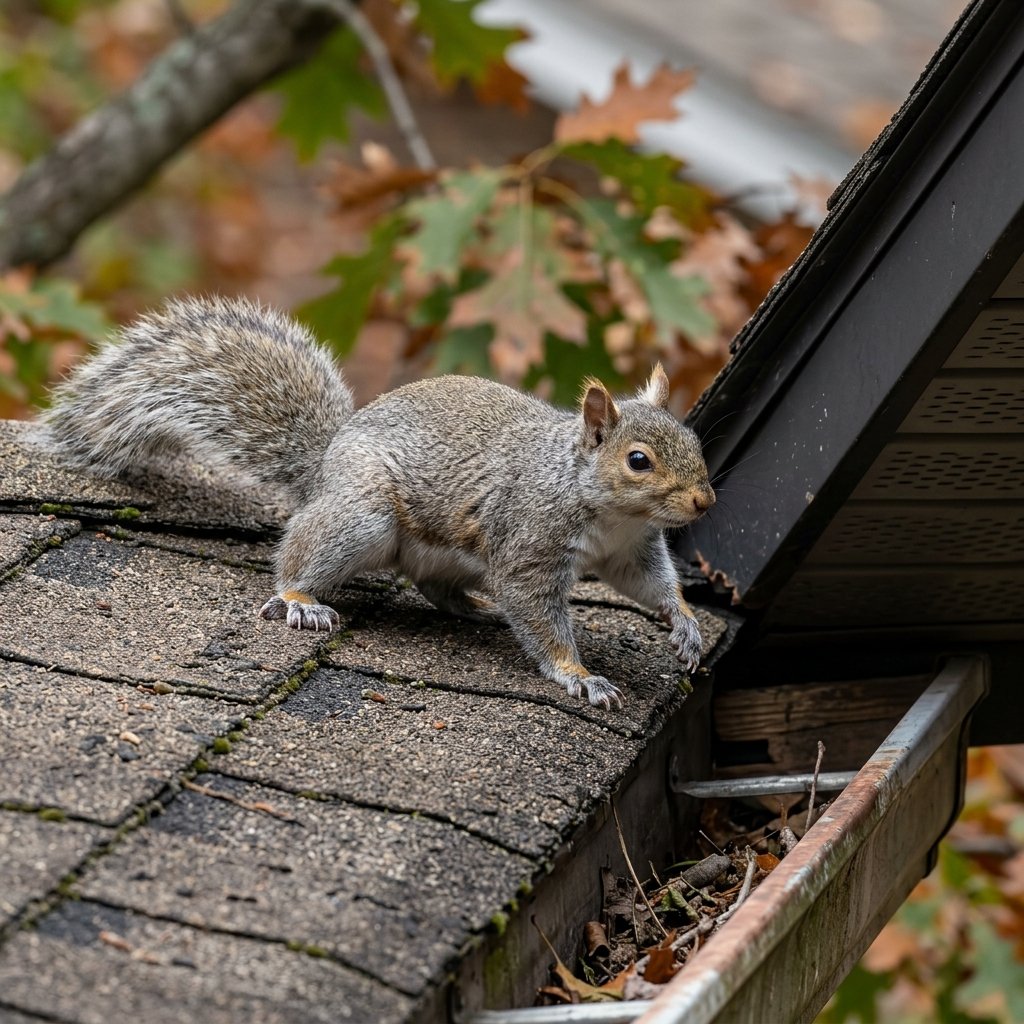
Learn how one-way escape doors work, letting squirrels and rats exit attics search of food while blocking their return. Having pests in your home is a major headache, especially under the hot sun and heavy rains of Florida. Without freezing winters to naturally reduce insect colonies, homeowners across the Sunshine State deal with year-round pest pressure. From termites feeding on structural wood framing to roof rats chewing through attic vents and electrical wires, keeping your property secure takes steady care. In this detailed guide, our local Florida entomologists break down everything you need to know about one-way exit valves: humanely removing rodents and squirrels. We will look at why this pest activity increases, how our professional teams build durable barriers, and the step-by-step checklists you can use to secure your home.
How do one-way exit traps work for squirrels?
One-way exit traps let rodents and squirrels leave the attic for food through a spring-loaded door but block them from getting back inside, humanely clearing the space before gaps are permanently sealed.
- Find the main entry gap and seal all other secondary holes first.
- Secure the one-way door over the main access point with screws.
- Leave the door in place for 3 to 5 days to ensure all animals exit.
- Remove the one-way valve and patch the final opening with steel mesh.
- Inspect attic spaces to verify that all nesting spots are empty.
Biology & Climate Triggers: Why This Pest Thrives in Florida
Roof rats and house mice are skilled climbers that exploit architectural gaps in Florida homes. Regarding one-way exit valves: humanely removing rodents and squirrels, overhanging trees, roof intersections, and soffit vents provide primary transit routes into attics. Rodents gnaw on electrical wiring, shred fiberglass insulation for nesting, and contaminate living spaces with droppings. A focused understanding of one-way exit valves: humanely removing rodents and squirrels is vital to stopping attic intrusions permanently.
Actionable Step-by-Step Prevention & Sealing Checklist
Effective structural exclusion requires sealing all exterior openings larger than one-quarter inch. Key vulnerability areas include roof ridge vents, plumbing vent stacks, weep holes, and garage door weather seals. Heavy-duty galvanized steel hardware cloth and specialized sealants prevent rodents from gnawing their way back inside.
Your Structural Defense To-Do List:
- Slab & Base Inspection: Check concrete base slab joints, plumbing lines, and bath traps for active mud tubes or crawl entryways.
- Mulch & Soil Clearance: Keep soil, decaying wood chips, and leaf mulch at least 6 inches below the top of slab walls.
- Attic & Roof Seals: Seal roof ridge vents, vinyl soffits, and eaves with 1/4-inch galvanized steel wire mesh screens.
- Utility Pipe Blockages: Pack copper mesh wool inside weep holes, electrical conduits, and pipe lines, capping them with mortar.
- Foliage Trim Backs: Trim palm fronds, branches, and vines back at least 6 feet from roof gutters to cut off climbing paths.
Treatment Methodologies: Chemical Barriers, Baits, and Exclusions
Permanent rodent remediation combines full structural exclusion with targeted, humane snap trapping inside attic cavities. Once all entry voids are sealed, interior traps quickly remove active rodents without leaving deceased animals inside inaccessible wall cavities.
Professional Treatment vs. DIY Methods
Setting store-bought rodent poisons often backfires: poisoned rodents frequently die inside inaccessible drywall voids, causing severe odor issues and attracting secondary pests like blow flies. Complete mechanical exclusion and systematic trapping provide the only permanent, sanitary solution.
Recommended Treatment Schedules & Maintenance Plans
Following structural sealing, homes should undergo periodic seasonal audits before autumn cool fronts, ensuring tree limbs remain trimmed at least 6 feet from the roofline and exclusion hardware remains intact.
Need Professional Pest Treatment?
Don't wait for pests to colonize inside your walls or attics. Florida Green Pest Control Services provides custom treatment solutions with 100% free re-treatments in case they ever return.